




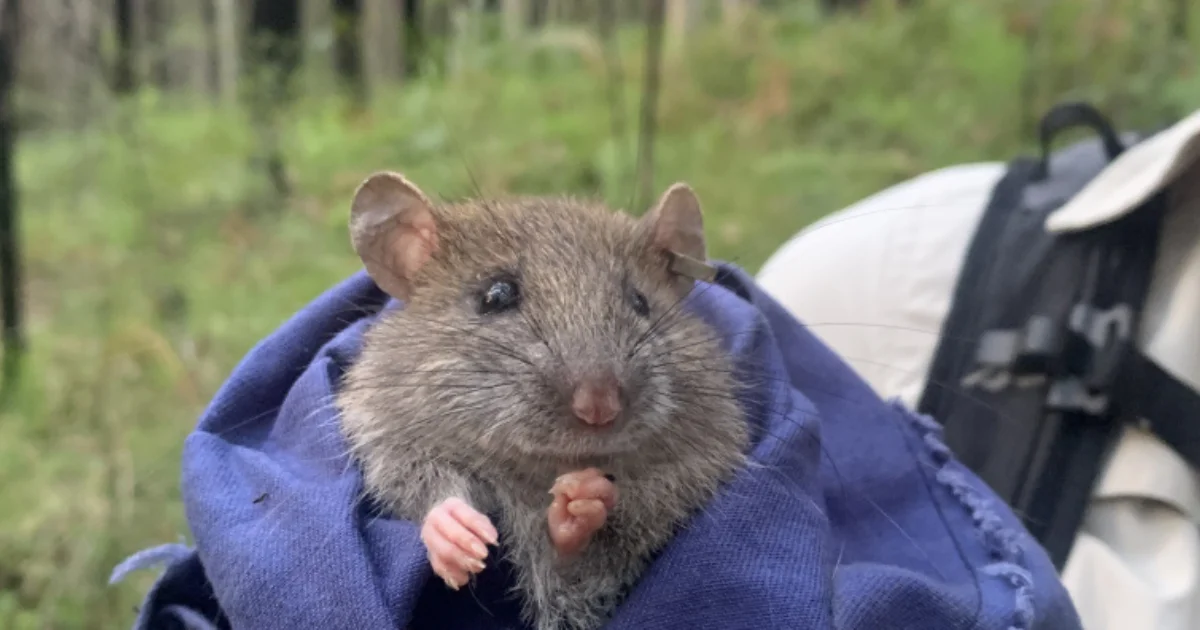
A locally extinct native mammal is being returned to bushland in Allambie Heights, as Northern Beaches partners with the University of Sydney on an urban rewilding program.
Read: Native Bush Rats Return To Bushland Near Brookvale
The bush rat (Rattus fuscipes), known as ‘Bogul’, is the first species being reintroduced to Allenby Park, a 42-hectare reserve spanning Allambie Heights, Beacon Hill, and Brookvale, under the University of Sydney’s Urban Rewilding Project. The program aims to return locally extinct native species to urban bushland areas where conditions are suitable and long-term survival is possible, according to local officials of Northern Beaches.
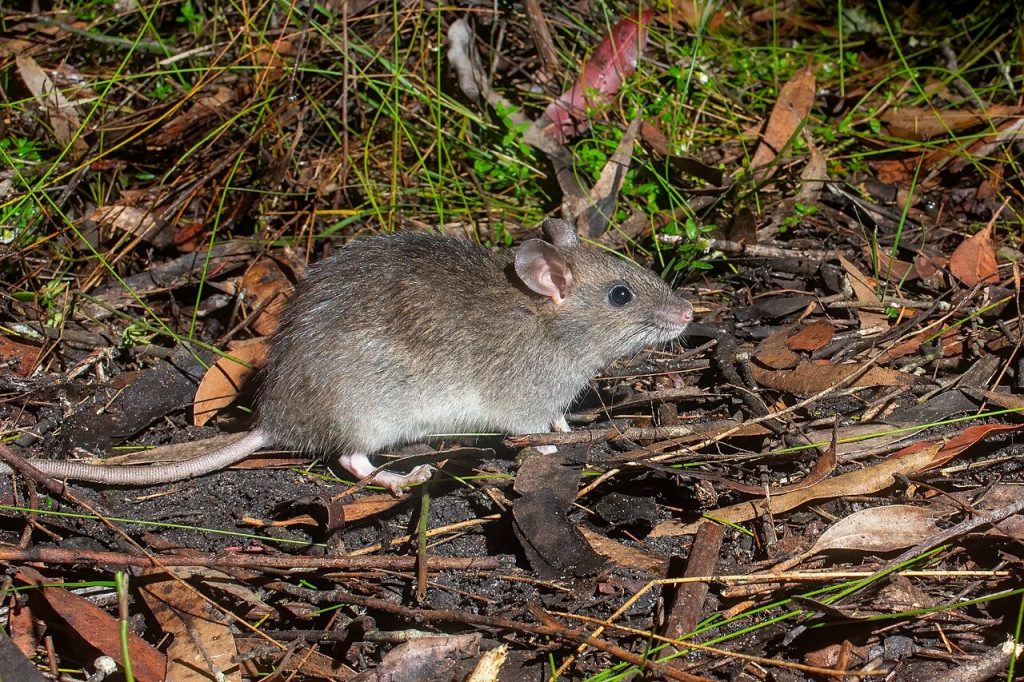
The Bogul is a small, ground-dwelling native mammal that once played an important role in the bushland ecosystems of the Northern Beaches. It pollinates native plants such as banksias, disperses fungus spores and seeds, and helps suppress introduced black rat populations once established. Competition from introduced species contributed to its disappearance from Allenby Park and other urban reserves over time.
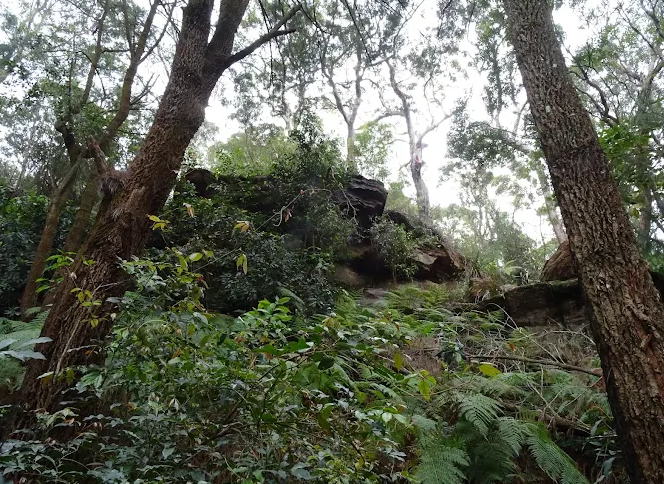
The project will reintroduce bush rats to the reserve while removing invasive black rats. Northern Beaches is responsible for site management, monitoring and community engagement, while the University of Sydney leads the scientific research and animal reintroduction activities. Council has noted that bush rats avoid homes and non-natural gardens, tending to remain within wilderness areas.
University of Sydney research on urban rewilding
Separately, researchers at the University of Sydney have been examining urban rewilding as a conservation tool more broadly. Research published in the journal BioScience in May 2025, led by Dr Patrick Finnerty from the University’s Faculty of Science, reviewed close to 2,800 scientific papers on species reintroduction programs globally.
The review found that fewer than one per cent of rewilding programs worldwide have involved reintroducing terrestrial fauna into cities, with two-thirds of urban conservation programs focused exclusively on vegetation. The research identified successful urban reintroductions from a range of cities, including beavers in London, leopard frogs in Las Vegas, and platypus populations growing on Sydney’s periphery.
Read: Irish Tradies Halt Work After Snake Discovery at Manly Dam
Dr Finnerty and co-authors argued that urban rewilding should form part of broader ecological restoration initiatives, and that successful programs require careful planning, community involvement, and addressing the threats that originally caused local extinctions. The research noted that approximately 70 per cent of the world’s projected population of 10 billion will live in urban areas by 2050, a 20 per cent increase on current levels that the authors say will necessitate rapidly expanding urban footprints.
Published 21-March-2026


